Skip to content
Budget Airlines’ Hidden Fees: Are They Still Worth It?
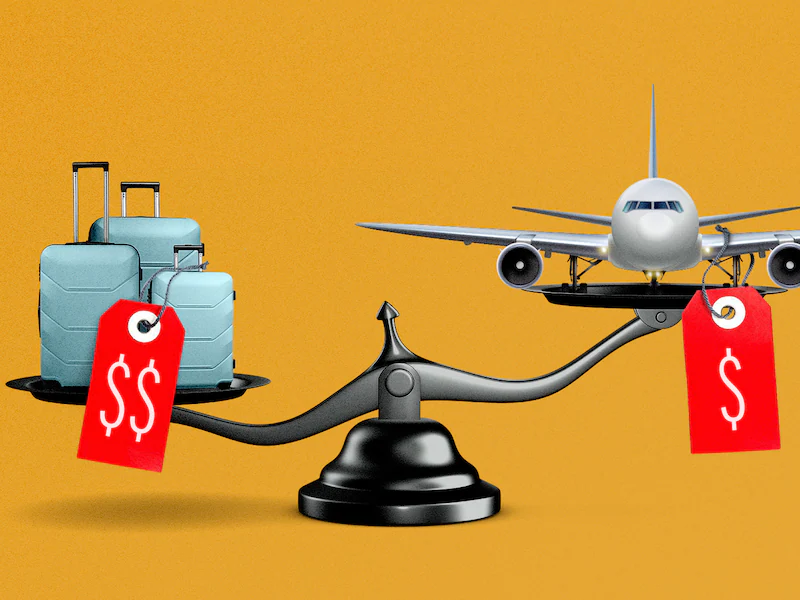
The promise of ultra-cheap airfare from budget carriers can be tempting, but budget airlines hidden fees often transform that $39 ticket into a $150+ expense. With US airlines earning over $7 billion annually from baggage fees alone, understanding these extra costs is crucial for savvy travelers seeking genuine savings.
However, budget airlines can still offer excellent value when you know how to navigate their fee structure. The key lies in understanding exactly what you’re paying for and adapting your travel style accordingly.
Understanding Budget Airlines Hidden Fees Structure
Budget carriers operate on an unbundled pricing model, charging separately for services that traditional airlines include in their base fare. Therefore, that advertised low price represents only the bare minimum: a seat and transportation to your destination.
Common Fee Categories You’ll Encounter
Most low-cost carriers impose fees across these primary categories:
- Baggage fees – Both carry-on and checked luggage
- Seat selection – Choosing your preferred location
- Food and beverages – No complimentary service
- Flight changes – Modification and cancellation penalties
- Payment processing – Credit card and booking fees
- Airport services – Priority boarding and fast-track security
The Real Cost Breakdown When Flying With Budget Airlines
According to the Bureau of Transportation Statistics, the average domestic baggage fee ranges from $30-60 per bag each way. Additionally, seat selection fees typically cost $10-50, depending on the route and seat location.
Furthermore, payment processing fees can add another $5-15 to your booking, making that $50 base fare quickly escalate to $100+ before you even board the plane.
Are Budget Airlines Worth It Despite Hidden Fees?
The answer depends entirely on your travel style and willingness to adapt. Moreover, understanding when budget airlines provide genuine value versus when they become expensive mistakes is essential for smart booking decisions.
When Budget Airlines Make Financial Sense
Budget carriers offer legitimate savings in these scenarios:
- Personal-item-only travel – When you can fit everything in a small backpack
- Short domestic flights – Routes under 3 hours where comfort matters less
- Flexible travelers – Those who don’t mind random seat assignments
- Group bookings – When splitting costs makes individual fees manageable
When Traditional Airlines Become Better Value
Conversely, full-service carriers often cost less when you need:
- Checked baggage for extended trips
- Specific seat selections for families
- Included meals on long flights
- Free flight changes due to uncertain schedules
Research from Skyscanner indicates that once you add two checked bags and seat selection, budget airline prices often exceed traditional carrier fares by 15-30%.
Mastering Personal-Item-Only Travel Strategy
The most effective way to maximize savings with budget airlines is perfecting the art of personal-item-only packing. This approach eliminates baggage fees while maintaining travel flexibility.
Personal Item Size Limits by Carrier
Understanding size restrictions helps you choose appropriate luggage:
- Spirit Airlines – 18″ x 14″ x 8″ (1,008 cubic inches)
- Frontier Airlines – 18″ x 14″ x 8″ (1,008 cubic inches)
- Allegiant Air – 16″ x 15″ x 7″ (840 cubic inches)
- Southwest Airlines – 18.5″ x 8.5″ x 13.5″ (2,115 cubic inches)
Packing Strategies That Work
Successful personal-item travel requires strategic packing techniques:
- Choose versatile clothing – Items that mix, match, and layer easily
- Limit shoe options – Wear the heaviest pair, pack a maximum of one extra pair
- Use packing cubes – Maximize space efficiency and organization
- Minimize toiletries – Buy basics at the destination or use hotel supplies
- Wear heavy items – Boots, coats, and bulky sweaters on the plane
Additionally, consider leaving space for souvenirs or purchases, as return flights may require shipping items home separately.
Smart Booking Tips to Minimize Budget Airlines Hidden Fees
Even when budget airlines make sense for your trip, strategic booking approaches can significantly reduce additional costs. Therefore, implementing these tactics before finalizing your reservation saves considerable money.
Timing Your Purchase Strategically
Budget carriers often adjust their fee structure based on demand and booking timing:
- Book early – Seat selection and baggage fees increase closer to departure
- Avoid peak travel days – Fees multiply during holidays and weekends
- Compare total costs – Factor in all potential fees before booking
- Consider nearby airports – Secondary airports often have lower base fares and fees
Payment and Booking Fee Avoidance
Many budget airlines impose credit card processing fees, but you can minimize these costs:
- Use specific credit cards that don’t trigger processing fees
- Book directly through airline websites rather than third parties
- Pay with debit cards when processing fees are lower
- Consider prepaid airline gift cards purchased during promotions
Furthermore, some carriers waive processing fees for their branded credit cardholders, making these cards worthwhile for frequent budget airline users.
Route and Destination Considerations
Certain routes favor budget airlines regardless of fees, while others make traditional carriers more economical:
- High-competition routes – Budget carriers offer genuine savings
- Secondary city connections – Often the only direct flight option
- Leisure destinations – Where budget carriers focus their route networks
- Short-haul flights – Under 4 hours where service differences matter less
Also Read:
How to Find Cheap Last-Minute Flights: 7 Strategies That Actually Work
How To Travel Carry On Only: Save Hundreds on Flight Fees
Top Things To Avoid When Flying With Budget Airlines
Calculating True Costs: Budget vs Traditional Airlines
Making informed decisions requires comparing total trip costs rather than advertised base fares. Moreover, this analysis becomes crucial when budget airlines hidden fees accumulate quickly.
Cost Comparison Framework
Use this systematic approach to evaluate your options:
- Base fare comparison – Start with advertised prices
- Add baggage costs – Include both directions if checking bags
- Factor seat selection – If traveling with companions or preferring specific seats
- Include food costs – For longer flights requiring meals
- Consider change fees – If your schedule might shift
- Add transportation costs – Secondary airports may require expensive ground transport
Real-World Cost Examples
Consider a typical domestic route from New York to Orlando:
Budget Airline Total:
- Base fare: $89
- One checked bag: $45
- Seat selection: $25
- Snacks and drink: $15
- Total: $174
Traditional Airline Total:
- Base fare: $159
- Included checked bag: $0
- Free seat assignment: $0
- Complimentary snacks: $0
- Total: $159
In this scenario, the traditional carrier actually costs $15 less while providing superior service and flexibility.
Alternative Strategies for Finding Cheap Flights
While budget airlines represent one approach to affordable travel, several alternative strategies can deliver similar or better savings without fee complications.
Traditional Airline Sales and Promotions
Major carriers frequently offer competitive sales that undercut budget airline total costs:
- Flash sales – Limited-time promotions with significant discounts
- Off-season pricing – Reduced fares during slower travel periods
- Advance booking discounts – Early bird specials for future travel
- Last-minute deals – Inventory clearance before departure
Flexible Travel Techniques
Adaptability often yields better savings than restrictive budget airline policies:
- Flexible date searches – Compare prices across multiple departure days
- Alternative airport options – Consider all airports within a reasonable distance
- Connecting flight acceptance – Often cheaper than direct budget flights
- Red-eye and off-peak timing – Unpopular departure times offer discounts
Additionally, using comprehensive flight comparison tools helps identify the genuinely cheapest option, including all fees and restrictions.
Making Your Final Decision
Ultimately, whether budget airlines remain worthwhile depends on your specific travel needs, flexibility, and willingness to adapt to their restrictions. However, armed with complete fee knowledge, you can make informed decisions that truly save money.
The key lies in honest self-assessment: if you genuinely travel with only a personal item, don’t mind random seat assignments, and prefer saving money over comfort, budget carriers can deliver excellent value. Conversely, if you need checked bags, specific seats, or travel flexibility, traditional airlines often cost less overall.
Remember that the cheapest advertised fare rarely represents your final cost. Therefore, always calculate total expenses, including all potential fees, before making booking decisions.
Ready to find genuinely cheap flights without surprise fees? Visit EasyCheapAirfare.com to compare total costs across all airlines and discover the best deals for your specific travel needs. Our comprehensive search tools factor in baggage fees, seat selection costs, and other charges to show you true bottom-line prices, helping you avoid budget airlines hidden fees while securing the lowest possible airfare.
Sources
- Bureau of Transportation Statistics – Airline Fee Statistics
- IATA Annual Review – Global Airline Financial Data