

Europe does Christmas better than anywhere else, and the good news for anyone flying in from the US is that the festive season falls outside peak travel months. Fares to most European cities are cheaper in late November and early December than they are in July, and the markets are in full swing by then.
This guide covers ten cities worth the trip, what makes each one distinctive, and roughly when their markets run so you can time a flight around them.
When Europe’s Christmas Markets Open and Close
Most people assume the markets run right through to New Year. Many do not.
German, Austrian and Swiss markets traditionally close on 24 December, because Christmas Eve is the main family celebration. Turn up on 27 December expecting Munich’s Marienplatz market and you will find an empty square.
Markets in Prague, Tallinn, Bruges and Copenhagen generally run into early January, which makes them the better choice if you can only travel between Christmas and New Year.
Opening dates cluster around mid-to-late November, with most cities switching on their lights in the week before the first Sunday of Advent.
Dates shift slightly each year, so confirm with the city’s tourist board before booking non-refundable flights.
1. Vienna, Austria
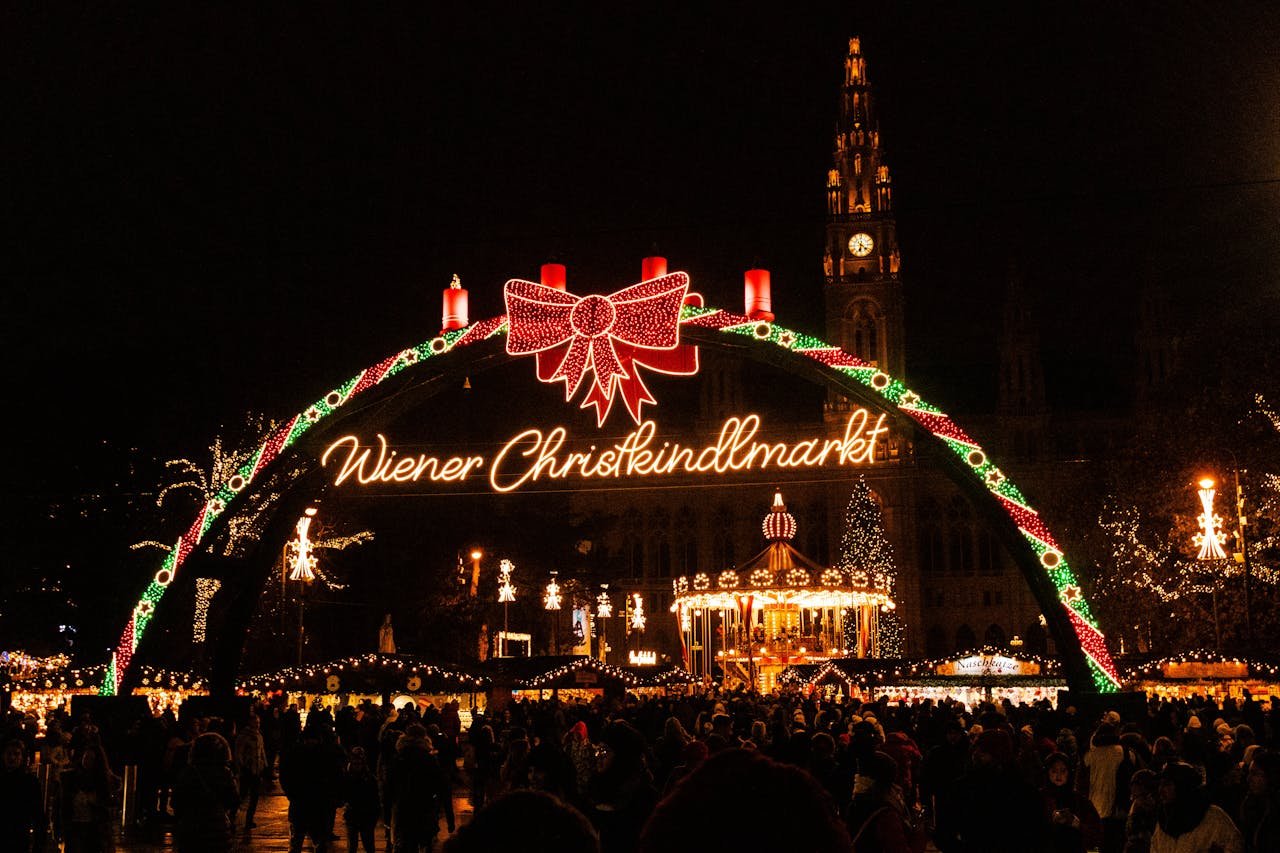
Vienna runs more than a dozen markets across the city, but the one people travel for is the Christkindlmarkt in front of the City Hall. Expect handmade crafts, roasted chestnuts and Punsch rather than Glühwein — the Austrian version is stronger and usually fruit-based.
Typical dates: mid-November to 26 December.
The city also programmes heavily during Advent, with concerts in venues that are hard to get into the rest of the year. If you like classical music, this is the strongest reason to pick Vienna over the German alternatives.
2. Prague, Czech Republic
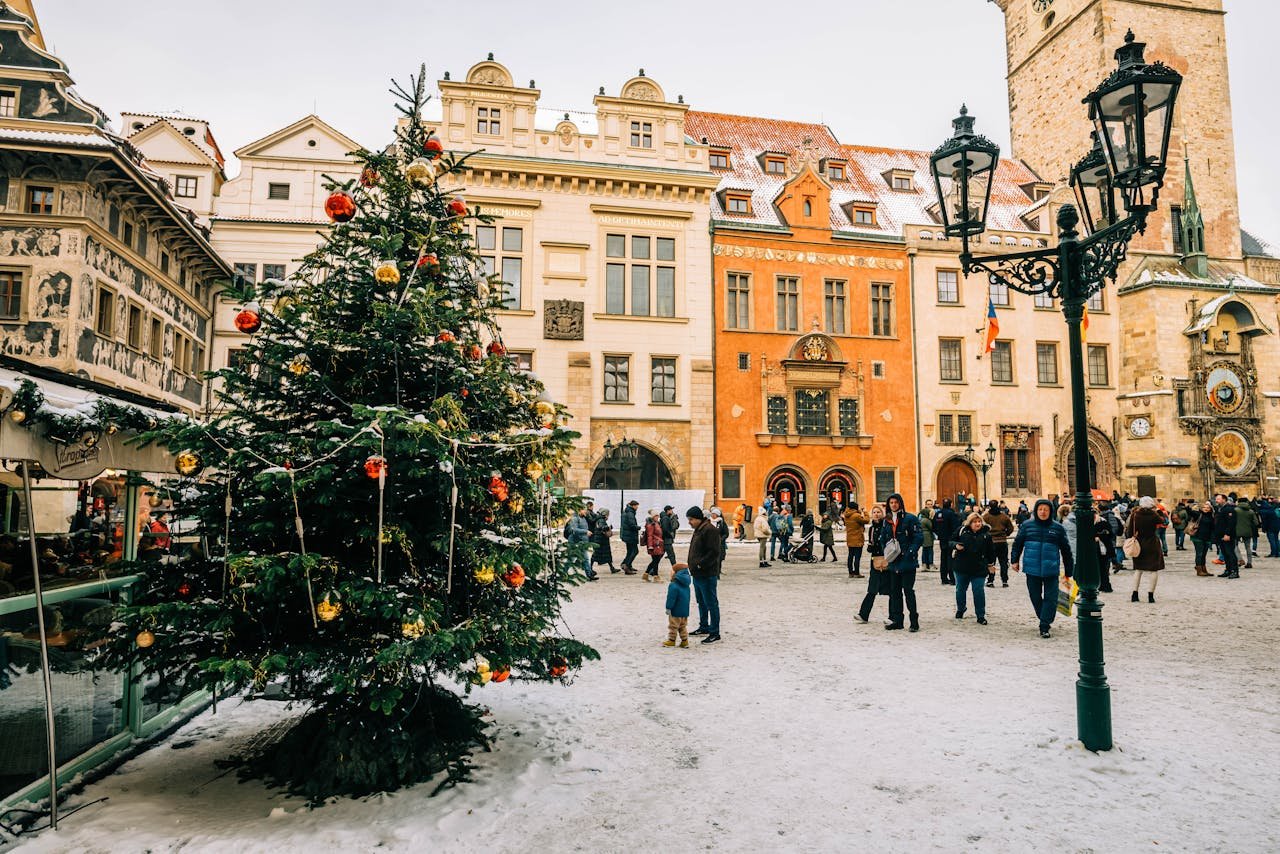
Prague is the best-value city on this list. Accommodation, food and drink all cost noticeably less than in Vienna, Zurich or Copenhagen, and the Old Town Square setting is as good as anything in Europe.
Typical dates: late November to early January — one of the few markets still running over New Year.
Try trdelník, though be aware it is a tourist invention rather than a Czech tradition. The svařák — mulled wine — is the real local staple.
3. Strasbourg, France
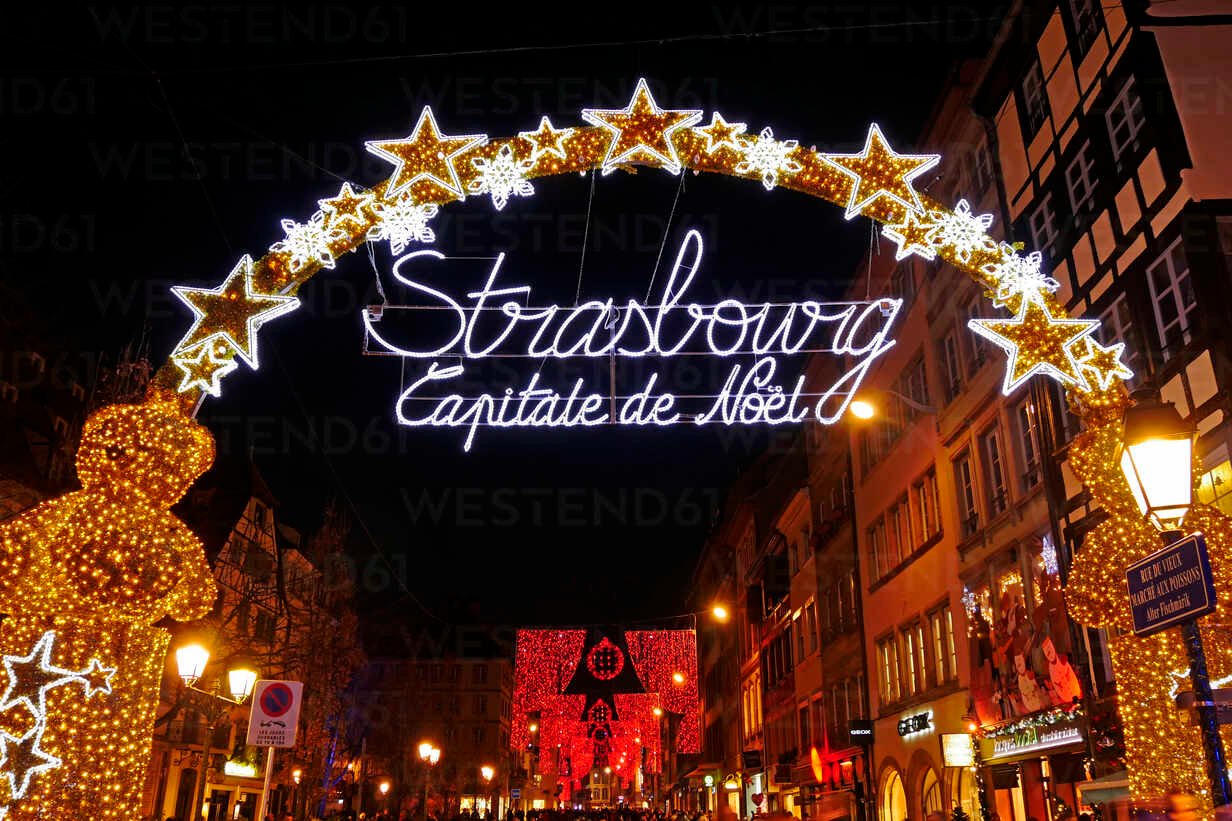
Strasbourg calls itself the Capital of Christmas and has the receipts — its market dates back to 1570, making it the oldest still running in France.
Typical dates: late November to 24 or 27 December.
The city sits on the German border, which shows in the food. Expect Alsatian bredele biscuits and vin chaud alongside choucroute. Book accommodation early; Strasbourg fills up faster than almost anywhere else on this list, and prices roughly double during the market period.
4. Lapland, Finland
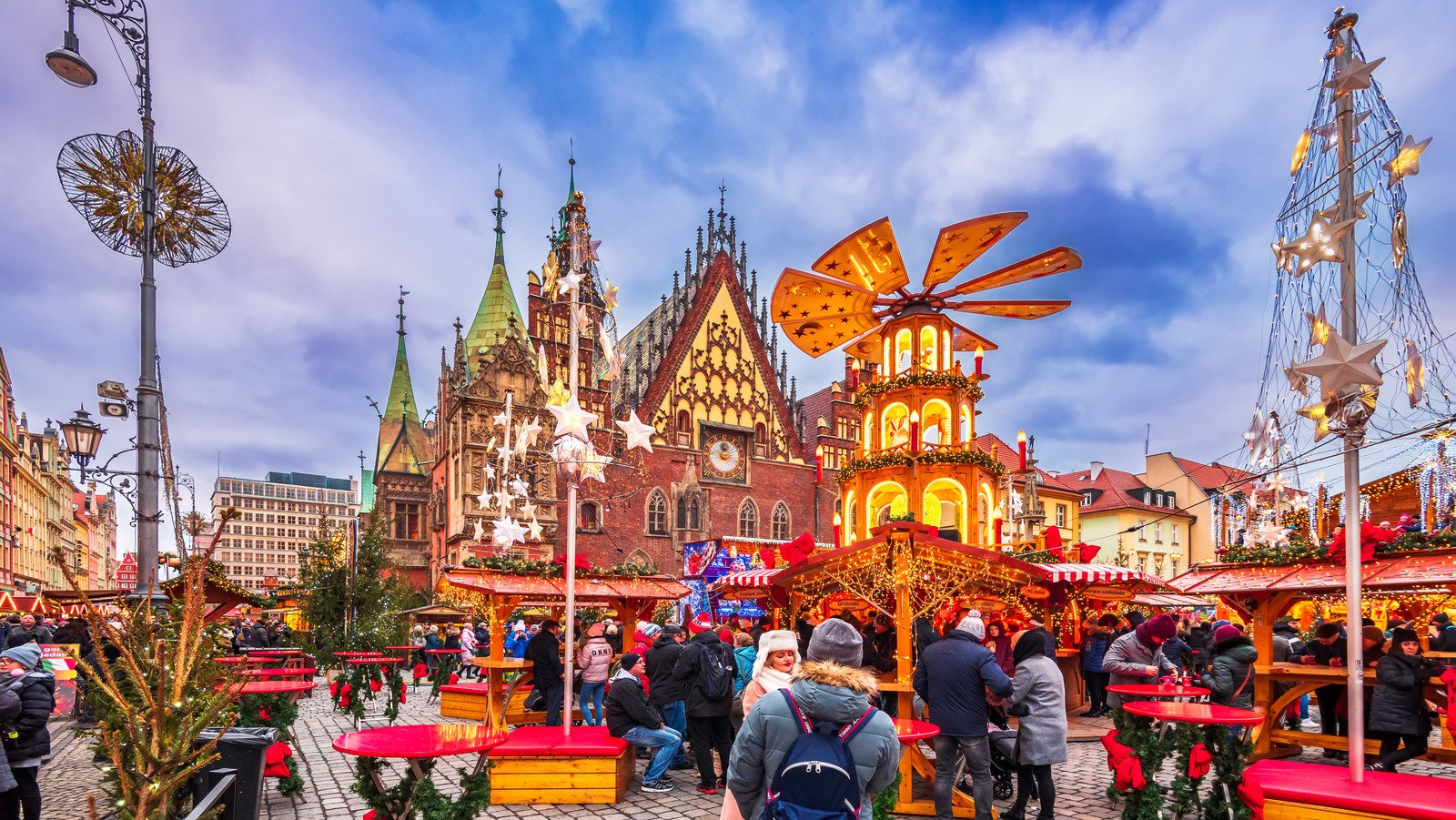
Lapland is the only entry here that is not really about markets. You go for snow, reindeer, the northern lights and Santa Claus Village in Rovaniemi, which is open year-round.
Best window: December to March for reliable snow. The aurora is most visible on clear nights between September and March.
Be realistic about two things. Daylight in December is roughly two hours, and Lapland is the most expensive destination on this list once you add activities. Book flights and accommodation months ahead — capacity is genuinely limited.
5. Munich, Germany
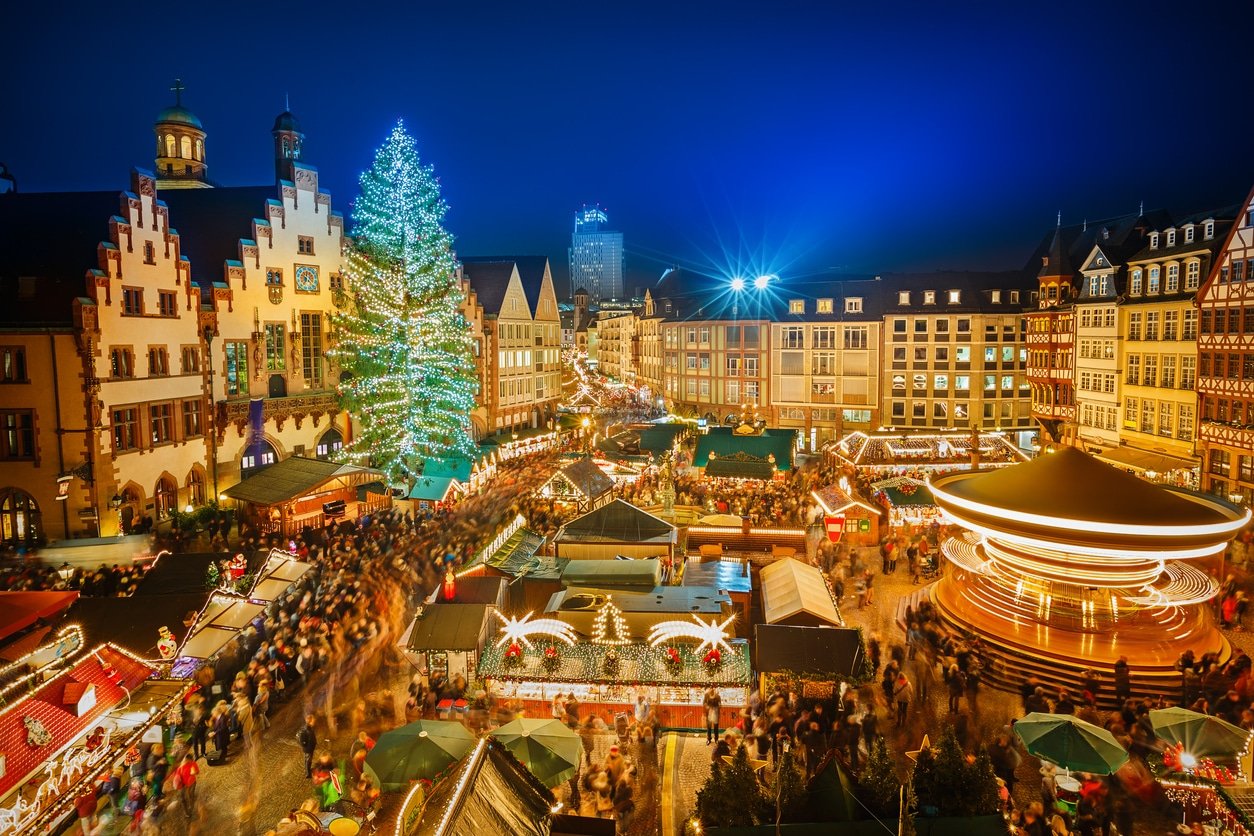
The Marienplatz Christkindlmarkt is the headline act, but Munich’s real advantage is density — there are around twenty markets across the city, each with a different character. The medieval market at Wittelsbacherplatz is worth seeking out.
Typical dates: late November to 24 December.
Munich is also the easiest base for day trips. Nuremberg, Salzburg and Regensburg are all reachable by train in under two hours, so you can see three or four markets on one trip.
6. Colmar, France
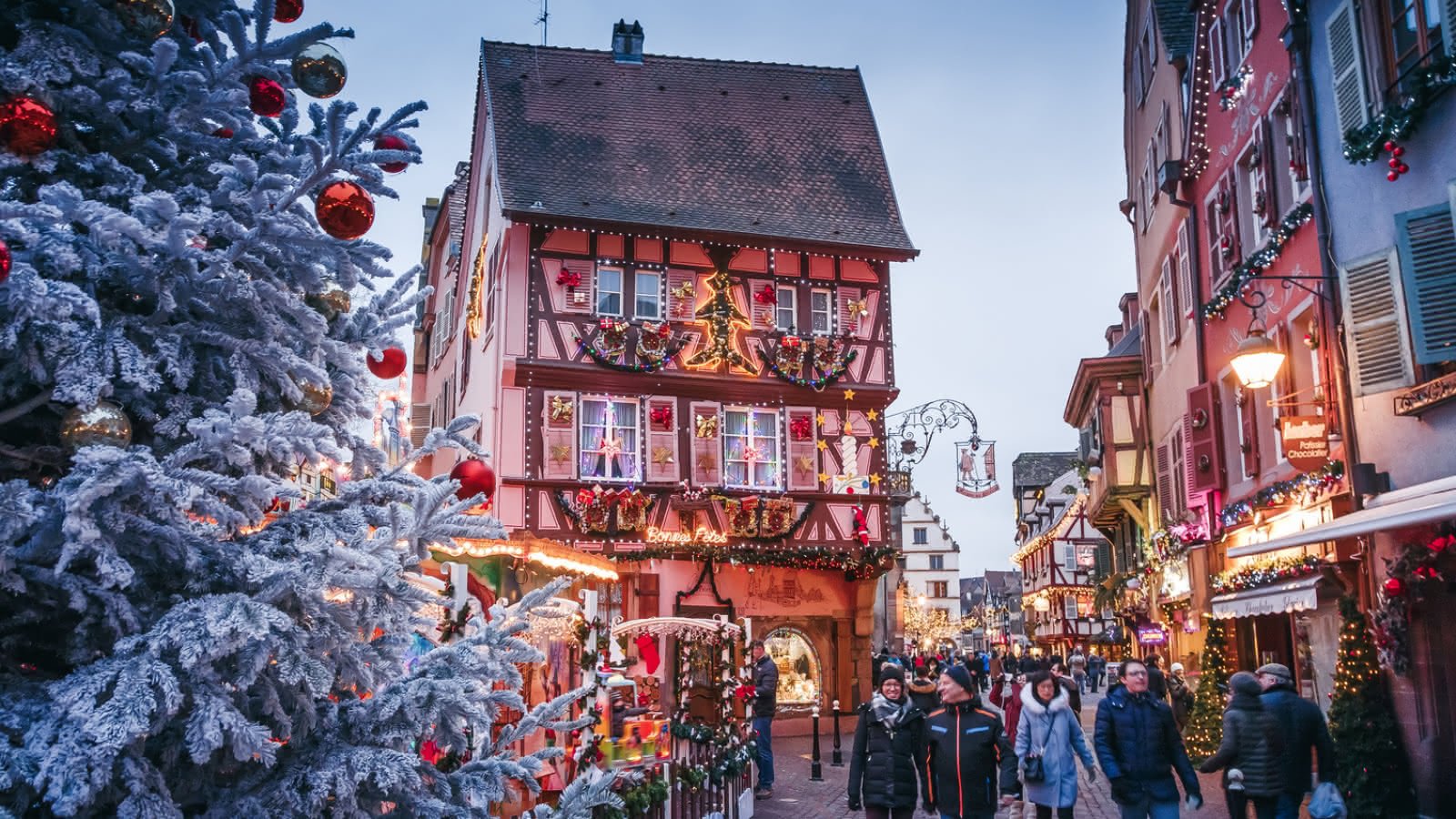
Colmar spreads six separate markets across its old town, each in a different square with its own theme. It is smaller and calmer than Strasbourg, 45 minutes away by train.
Typical dates: late November to 29 December.
The obvious move is to base yourself in Strasbourg and day-trip here, or do the reverse — Colmar accommodation is cheaper, and the train connection is straightforward.
7. Tallinn, Estonia
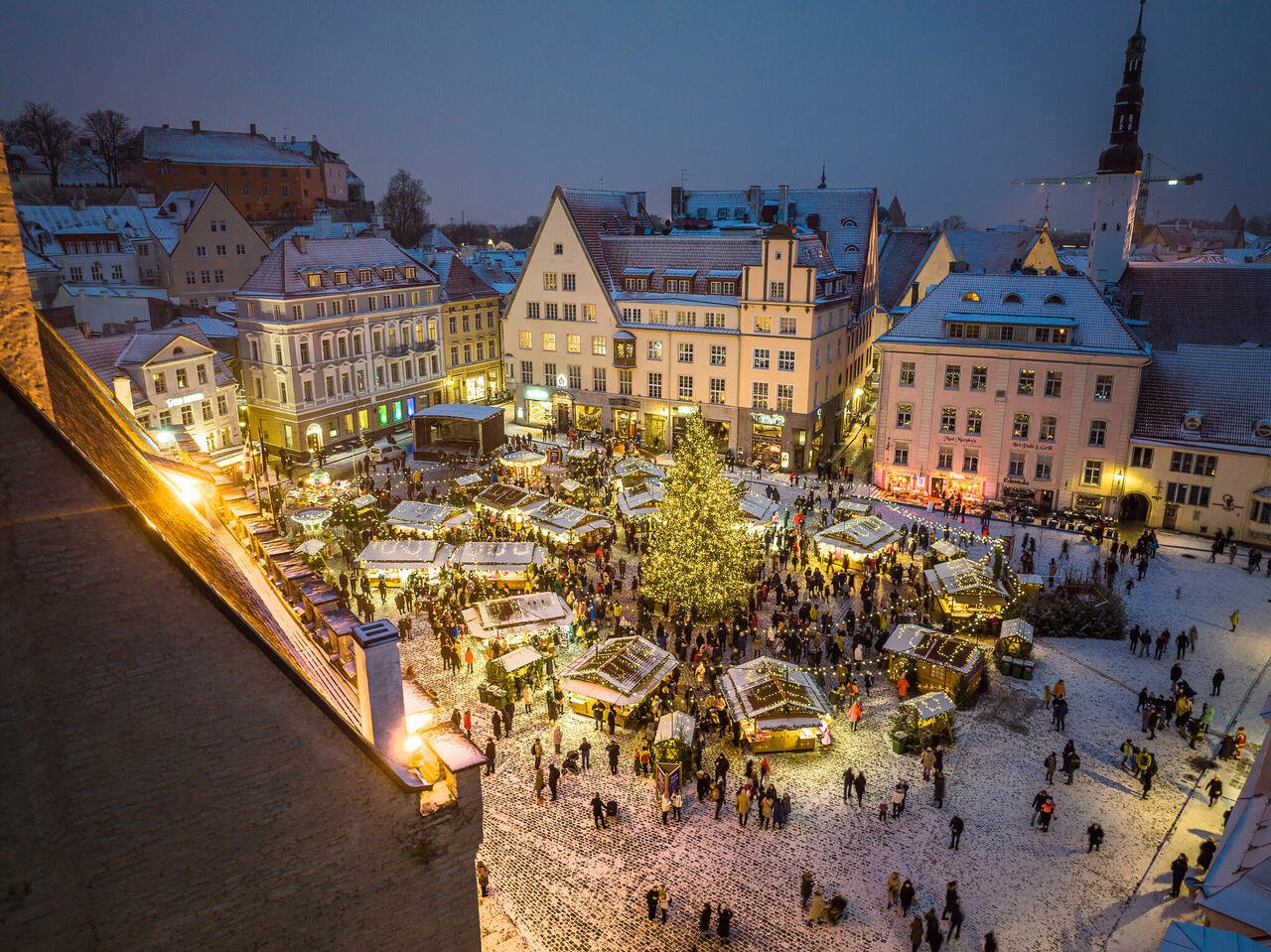
Tallinn’s market sits in a walled medieval square that looks more or less as it did five hundred years ago. It is smaller than the German markets and considerably less crowded.
Typical dates: mid-November to early January.
Estonia claims to have put up the first public Christmas tree in Europe, in this square, in 1441. Riga disputes it. Either way, Tallinn is the cheapest capital on this list and the easiest to see properly in two days.
8. Zurich, Switzerland
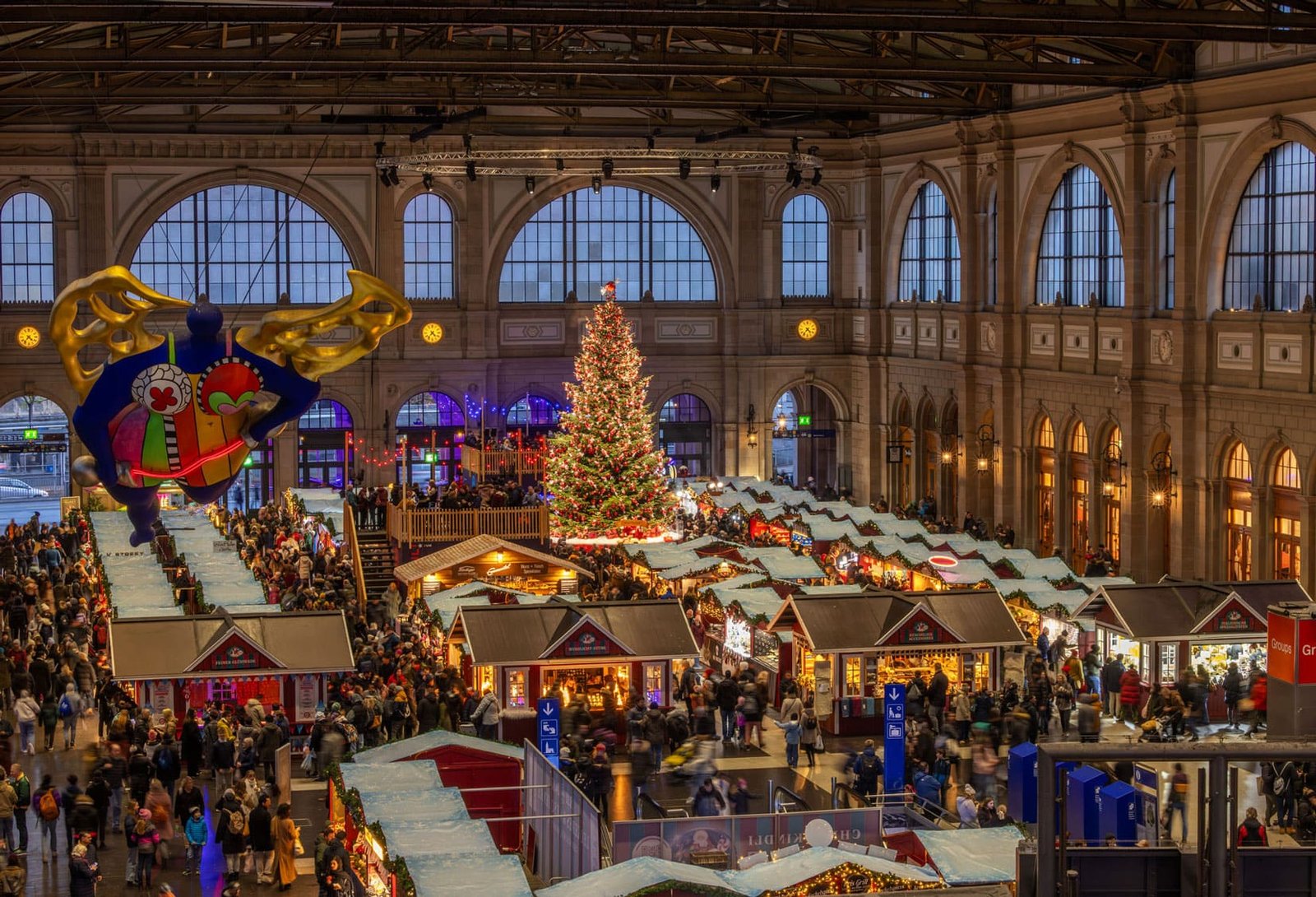
Zurich’s Christkindlimarkt inside the main railway station is the unusual one — an indoor market built around a tree hung with Swarovski crystals. Useful when the weather turns.
Typical dates: late November to 23 or 24 December.
Switzerland is the most expensive country here by a wide margin. A Glühwein that costs €4 in Prague will run you double that in Zurich. Worth knowing before you build a budget around it.
9. Bruges, Belgium
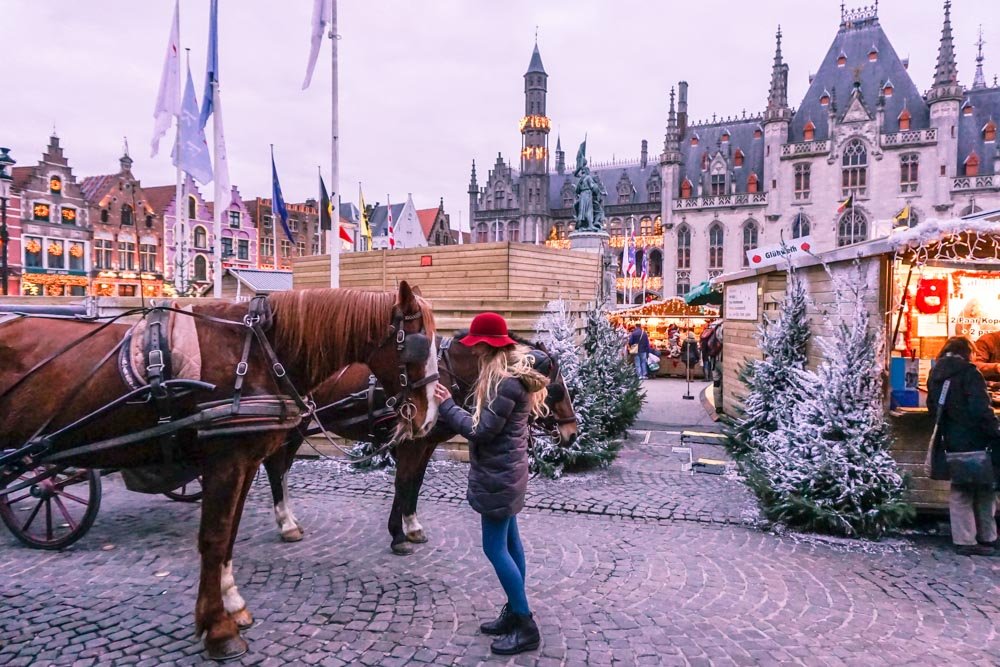
Bruges is compact enough to walk end to end in half an hour, which makes it a good choice for a short trip. The Markt square hosts the main market and an ice rink.
Typical dates: late November to early January.
Fly into Brussels and take the train — around an hour, and usually cheaper than routing through a smaller airport. The winter light on the canals in late afternoon is the thing people remember.
10. Copenhagen, Denmark
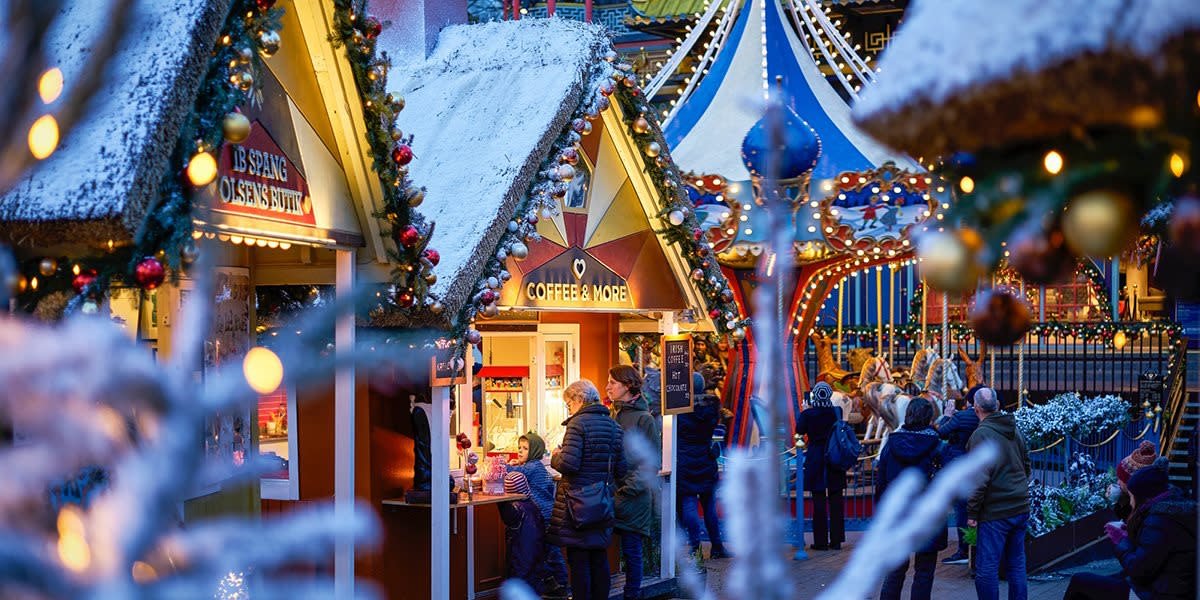
Tivoli Gardens is the draw here — a nineteenth-century amusement park that decorates heavily for Christmas and stays open into the new year. It is a paid attraction rather than a free market, so budget for entry.
Typical dates: mid-November to early January.
Copenhagen is expensive, but almost everything is walkable or reachable by bike, and the gløgg is stronger than the German equivalent. Nyhavn’s smaller market is worth an hour if Tivoli is busy.
Getting There: Flights to Europe at Christmas
Timing matters more than destination when it comes to what you pay.
Late November to mid-December is the cheap window. Markets are open, crowds are thinner, and fares have not yet climbed. Once you get within a week of Christmas, prices rise steeply and stay high through the New Year.
Fly mid-week. Tuesday and Wednesday departures are consistently cheaper than Friday or Sunday on transatlantic routes.
Consider a hub and a train. Flying into Frankfurt, Amsterdam or Brussels is often cheaper than flying direct to Strasbourg, Colmar or Bruges, and European rail connections are fast. Add the train cost before deciding.
Book eight to twelve weeks out for transatlantic flights in December. Earlier than that rarely helps; later costs significantly more.
You can compare fares across hundreds of airlines here to see what your dates actually cost, or browse our guide to the cheapest places to fly in Europe if you are flexible on destination.
Frequently Asked Questions
When do Christmas markets in Europe start?
Most open in mid-to-late November, usually in the week before the first Sunday of Advent. A few, including Tallinn and Copenhagen, start earlier.
Which European Christmas market is the cheapest to visit?
Prague and Tallinn are the two best-value destinations, with accommodation, food and drink all significantly cheaper than in Vienna, Zurich or Copenhagen.
Do Christmas markets stay open after Christmas Day?
Many do not. German, Austrian and Swiss markets typically close on 24 December. Prague, Tallinn, Bruges and Copenhagen generally run into early January, so choose those if you are travelling between Christmas and New Year.
What is the cheapest month to fly to Europe for Christmas?
Late November and the first half of December are considerably cheaper than the week around Christmas itself. Fares climb sharply from around 18 December and stay high until early January.
Which city is best for a first Christmas market trip?
Munich or Prague. Munich has the highest concentration of markets and easy rail day trips to Nuremberg and Salzburg. Prague offers the best value and a spectacular Old Town setting.

Pingback: Page not found - Explore Cheap Flights Tickets, Airfare Deals with EasyCheapAirfare